
When it comes to decorating a living room, one of the questions I hear the most is: “Do I need to decorate every wall?”
The simple answer? Absolutely not.
In fact, one of the biggest interior design mistakes is feeling like every wall needs to be filled. Sometimes, less really is more.
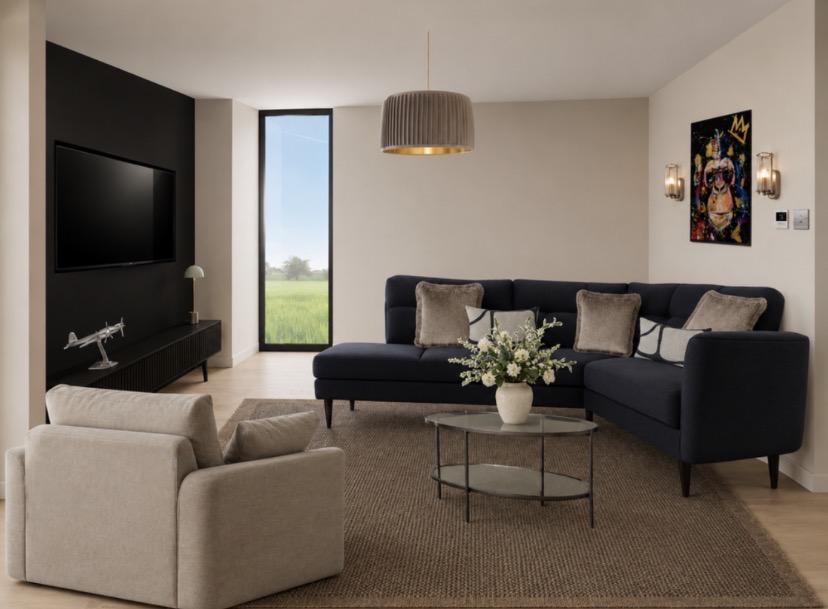
Give Your Room Space to Breathe
A beautifully styled room isn’t about filling every empty space, but rather about creating balance.
Leaving one or two walls more minimal can make your favourite pieces stand out even more. Whether it’s a statement mirror, a piece of artwork or a gallery wall, giving it space allows it to become the focal point.
Think of your walls in the same way you’d style a shelf. You wouldn’t fill every inch with décor, so your walls don’t need to be covered either.
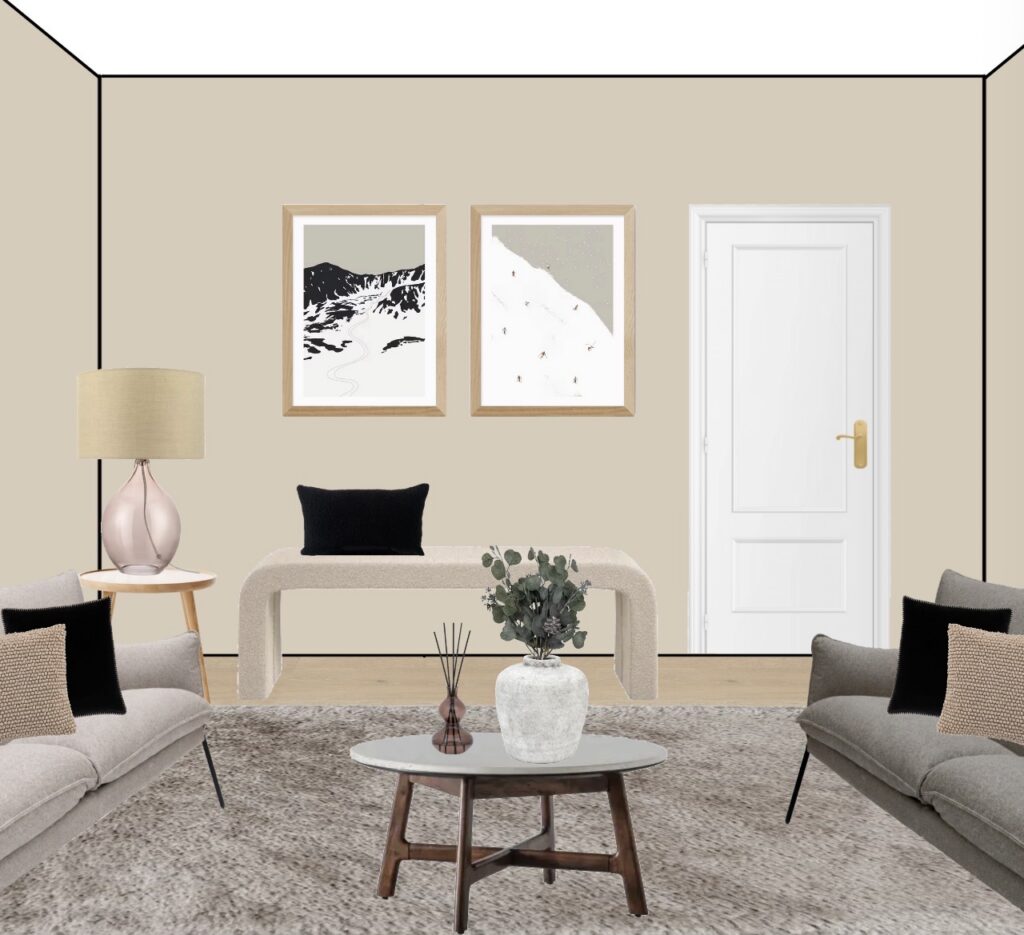
Start With a Focal Point
Every living room benefits from having one wall that naturally draws your eye.
This could be:
- A large piece of artwork
- A beautiful mirror
- Floating shelves with styled accessories
- A statement clock
- A gallery wall of family photos
Once you’ve chosen your focal point, keep the surrounding walls more understated to create balance.
Consider How You Use the Room
Your living room should reflect how you actually live.
If it’s where you unwind after work, you may prefer a calmer, more minimal feel. If you love entertaining, you might enjoy layering artwork, lighting and decorative accessories to create a cosy atmosphere. If the room needs storage for kids toys think about how this can become a feature rather than purely functional.
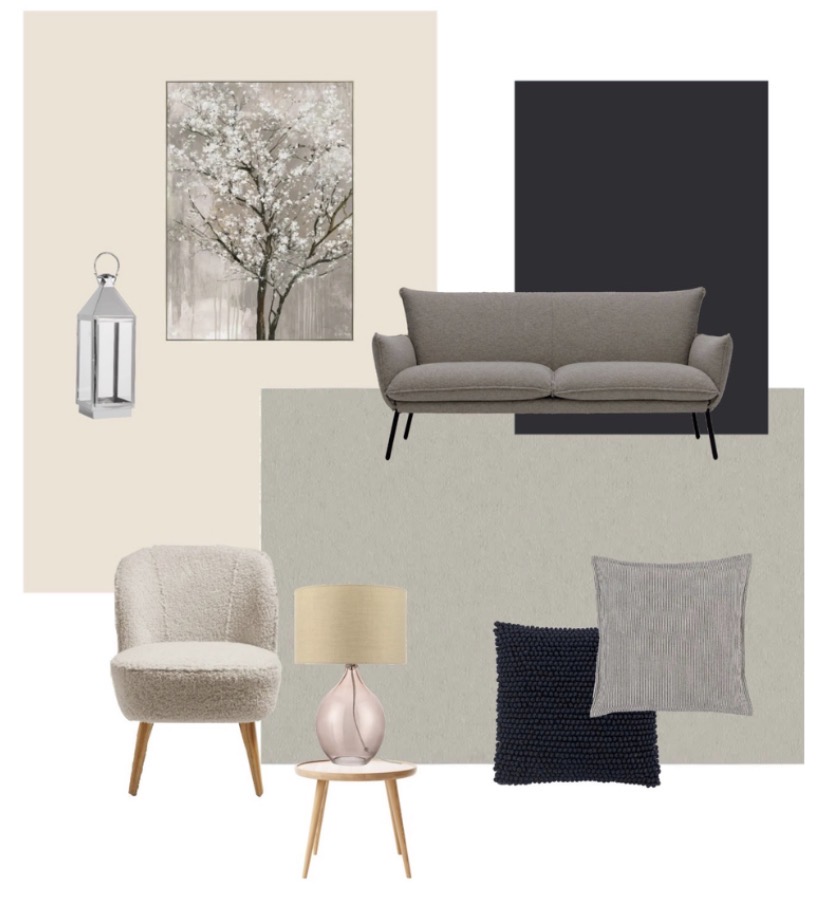
Texture Is Essential
Decorating isn’t just about hanging things on the wall.
A beautiful lamp, textured cushions, candles, books, throws and coffee table accessories all add personality without making the room feel cluttered. Especially in a neutral scheme, texture adds depth and interest to the space so think about this when making your selections! Pair a smooth glass lamp with a 3D textured print and a boucle chair for a layered look.
Our Top Tip
Before buying more wall décor, stand in your living room and ask yourself:
“Does this wall actually need something, or am I just trying to fill an empty space?”
More often than not, the answer is surprisingly simple.